We design respiratory surveillance around your actual hazards and exposure profile – not generic templates. That means targeting workers whose tasks, environments and materials genuinely put respiratory health at risk, and tailoring questionnaires and tests accordingly.
We use on‑site clinics, mobile medical units and, where appropriate, clinic network access to minimise downtime, travel and disruption while maintaining coverage for exposed workers. Assessments are scheduled to fit around shifts and operations, not the other way round.
Our reporting is clear, structured and designed to support follow‑up action. You receive outcomes that highlight any concerns, recommendations for adjustments or further investigation, and evidence to support internal governance and regulatory scrutiny.
Respiratory surveillance can be integrated with other services such as health surveillance for noise or vibration, safety‑critical medicals and management referrals, creating a more coherent, cost‑effective occupational health programme.
Respiratory health surveillance is typically required where risk assessments show that, even with control measures in place, workers may still be exposed to airborne substances that can cause asthma, lung damage or other respiratory disease.
Examples include:
Work with dusts (e.g. flour, wood, metal, silica)
Use of isocyanates, welding fumes, solvents or other sensitisers and irritants
Processes generating fumes, smoke or fine particulates
Work in environments with hazardous airborne contaminants despite controls
Clarity can help you review your risk profile and identify which roles should be included in respiratory health surveillance, and at what frequency.
Respiratory health surveillance typically combines:
Respiratory questionnaires – to capture symptoms, work history and relevant medical background.
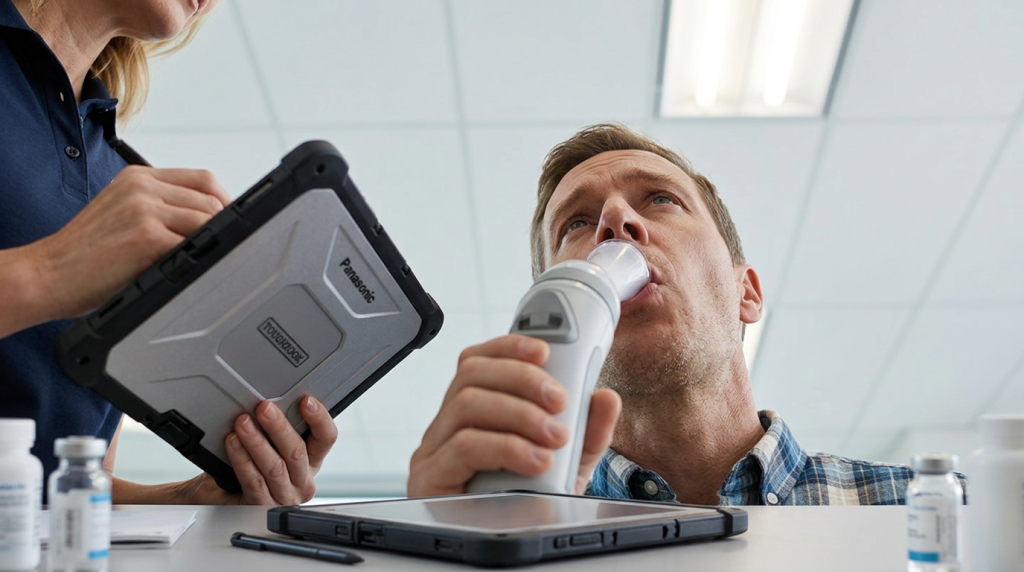
Spirometry (lung function testing) – measuring how much air the worker can inhale and exhale and how quickly, using a spirometer.
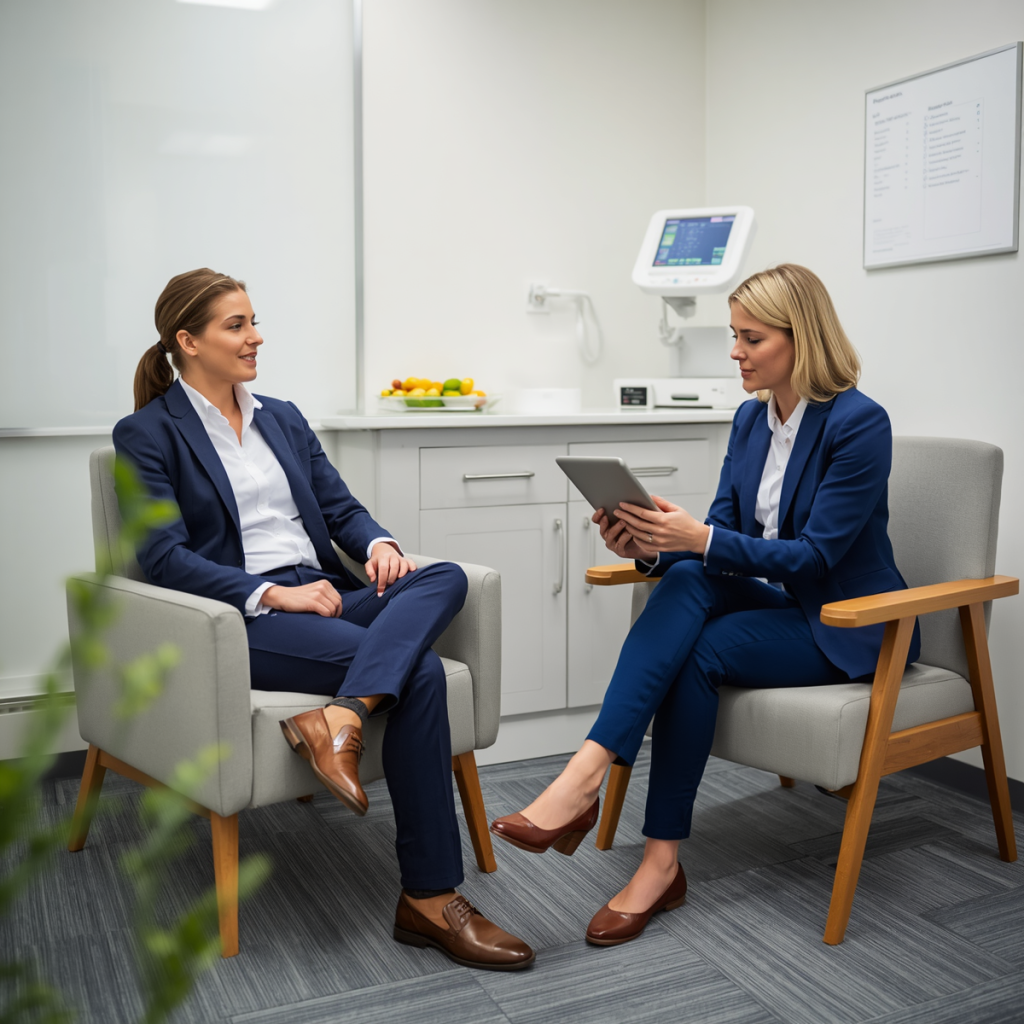
Clinical review – including a review of exposure and, where appropriate, a physical examination of the chest and lungs.
Spirometry is a key element for higher‑risk roles, as it provides an objective measure of lung function and can help identify early signs of work‑related respiratory problems before symptoms become obvious.
Our clinicians explain the process clearly, coach workers through each test and ensure results are interpreted in the context of their role, exposure and overall health.
Following respiratory health surveillance, Clarity provides:
A clear fitness‑for‑work judgement aligned to respiratory risk
Advice on any restrictions, adjustments or additional controls required
Recommendations for further investigation or referral where needed
Trend information over time to support continuous improvement
This gives you a defensible position on respiratory risk management and a practical basis for protecting workers whose lungs are exposed at work.


In respiratory health surveillance, employers need a partner who will challenge assumptions, innovate in delivery and stay accountable.
We challenge when surveillance is missing or mis‑focused, and help redesign it around real risk.
We innovate in how and where we deliver spirometry and assessments to reduce downtime.
We grow by helping clients build healthier, more resilient workforces over time.
We are driven to deliver – responsive with scheduling, clear in our communication and precise in our reporting.
Collaboration drives us forward as we work with H&S, HR and line managers to make programmes workable.
We are energised by health and accountable to each other, which shows in the care we take with every assessment.
If your people work with respiratory hazards, Clarity can help you design and deliver a surveillance programme that protects lung health, supports compliance and fits the way your business really operates.

 Telephone
 Email
Email