

 Telephone
 Email
Email
We design HAVS programmes using established HSE templates, then tailor how they are applied to your actual vibration exposure and tool use rather than treating every role the same. Surveillance is aligned with your risk assessments and HSE guidance so workers are monitored at appropriate intervals based on their level of exposure.
We deliver HAVS surveillance on‑site, through our national fleet of mobile medical units, and via our wider clinic network where needed. That flexibility helps minimise downtime, travel and disruption while maintaining coverage for exposed workers across multiple sites.
We provide clear HAVS outcomes and recommendations you can act on – from adjustments and restrictions to further clinical review – with documentation that stands up to internal audits and external scrutiny.
HAVS testing can be integrated with your wider health surveillance programme, including noise, respiratory surveillance, skin checks and safety‑critical medicals, giving you a more coherent, cost‑effective approach to managing workplace health risks.
HAVS surveillance is typically required where risk assessments show that workers are exposed to hand‑arm vibration at or above levels that could cause harm, despite control measures.
Common examples include:
Regular use of powered hand tools (e.g. grinders, breakers, drills, impact wrenches)
Prolonged use of hand‑guided machinery or vibrating equipment
Work in construction, engineering, utilities, maintenance and similar high‑exposure sectors
Roles where symptoms such as tingling, numbness, loss of grip strength or “vibration white finger” have been reported
Clarity can help you interpret your vibration risk data and identify which workers should be included in HAVS surveillance, and at what frequency, in line with HSE expectations.

A HAVS surveillance programme usually follows a tiered approach, often including:
Baseline questionnaires – to capture exposure history, symptoms and relevant medical background.
Clinical assessment – examination of hands and arms for signs of vascular and neurological damage, including sensation, circulation and muscle function.
Staging and classification – assigning HAVS stage where symptoms are present, to inform management decisions.
Follow‑up and escalation – arranging more detailed assessment or referral where higher‑stage symptoms are identified.
Our clinicians explain the process clearly to workers, ensure confidentiality and stage findings in a way that links directly to practical management and deployment decisions.
Following HAVS assessments, Clarity provides:
A clear HAVS outcome (including stage, where applicable)
Advice on exposure control, restrictions or adjustments
Recommendations for further investigation or specialist referral where needed
Aggregate information to help you understand trends and refine your vibration‑control strategy
This gives you a robust, defensible position on how you identify and manage hand‑arm vibration risk, and a practical basis for protecting your people over the long term.
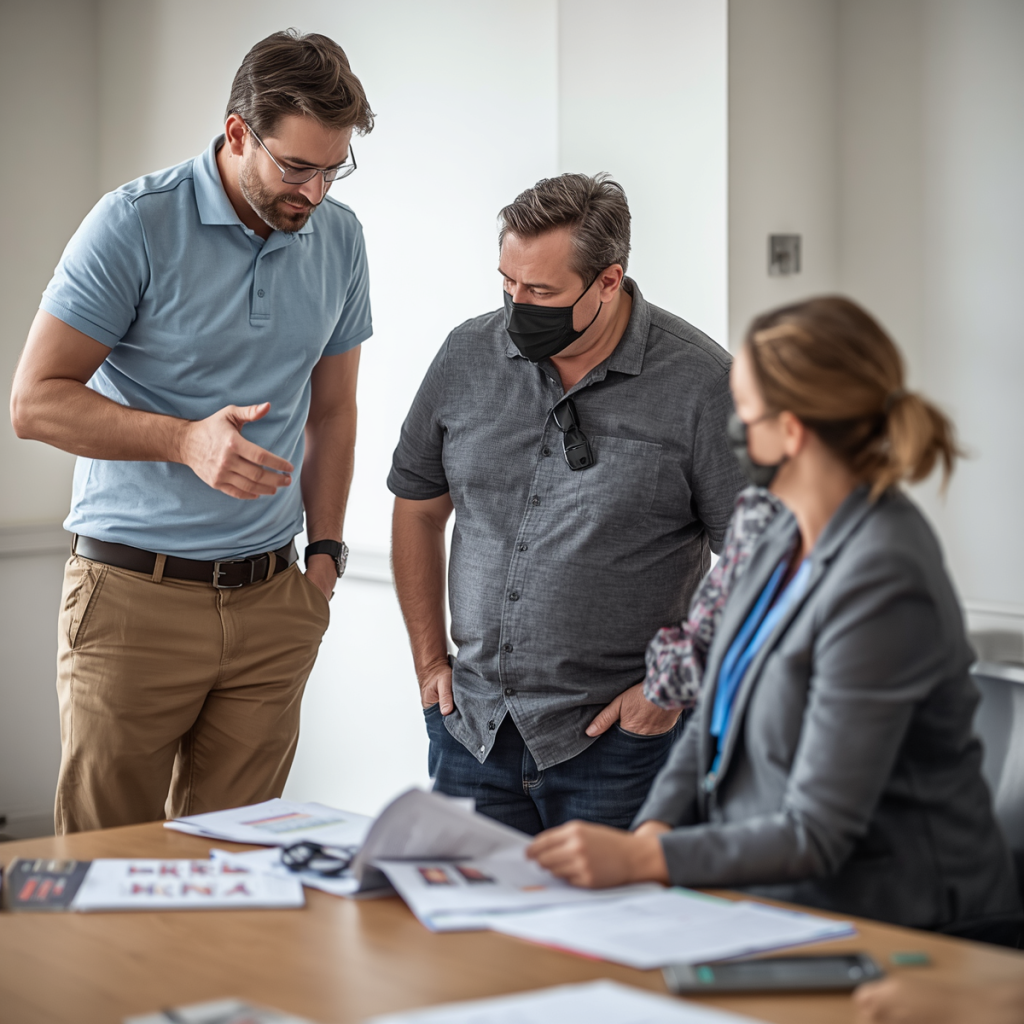

For HAVS, employers need a partner who will challenge, innovate and stay accountable in a high‑risk area.
We challenge where surveillance is missing or misaligned with actual vibration exposure.
We innovate in how and where we deliver surveillance – using mobile units, on‑site clinics and our network to reach workers efficiently.
Collaboration drives us forward as we work with H&S, HR, line managers and workers to make programmes achievable.
If your employees use vibrating tools or machinery, Clarity can help you design and deliver a HAVS surveillance programme that protects workers, supports compliance and fits the way your business really operates.
HAVS health surveillance is an ongoing programme of checks for employees exposed to hand‑transmitted vibration, designed to detect early signs of Hand‑Arm Vibration Syndrome and related conditions so employers can act before serious, permanent damage occurs.
Under the Control of Vibration at Work Regulations 2005, health surveillance is required for employees who are likely to be exposed above the daily exposure action value, are occasionally exposed above this level where risk remains, or already have a diagnosis of HAVS or other factors that put them at particular risk.
Workers who regularly use or are exposed to vibrating tools and machinery—such as breakers, grinders, drills, chainsaws, compactors and other powered equipment—across sectors like construction, manufacturing, utilities, forestry and maintenance, and those reporting symptoms like tingling, numbness or reduced grip strength.
Typical assessments include a structured questionnaire on symptoms and functional difficulties, detailed work history and exposure review, grip strength and dexterity tests, sensory tests for vibration perception, circulation checks where appropriate, and onward referral or additional testing (such as nerve conduction studies) when indicated.
Frequency depends on exposure and risk. Many programmes start with baseline assessments and then run periodic surveillance—often annually or more frequently for higher‑risk exposure or where early changes have already been identified.
If early signs are identified, Clarity provides guidance on reviewing and reducing exposure, strengthening controls and work practices, protecting the wider workforce, and arranging further medical assessment where needed, helping to prevent progression to more severe stages and manage fitness for work.
Clarity delivers HAVS surveillance onsite, via Mobile Medical Units and through clinic appointments nationwide, allowing employees across multi‑site, multi‑shift and field‑based workforces to be assessed with minimal disruption.
Yes. All HAVS surveillance data is managed under Clarity’s clinical governance and data protection framework, ensuring medical information remains confidential and appropriately shared while managers receive clear, fit‑for‑work outcomes and actionable recommendations.
To provide the best experiences, we use technologies like cookies to store and/or access device information. Consenting to these technologies will allow us to process data such as browsing behaviour or unique IDs on this site. Not consenting or withdrawing consent, may adversely affect certain features and functions. By clicking Accept, you consent to our use of Cookies. Learn more in our Privacy Policy