
 Telephone
 Email
Email
Clarity builds audiometric testing programmes around your noise risk assessments and exposure data, rather than using generic schedules. We focus on the roles and locations where workers are genuinely at risk, keeping surveillance proportionate but defensible.
We offer on‑site audiometry, mobile medical units and access to a national healthcare network, so testing can be carried out close to your operations and with minimal downtime and travel. This makes it easier to cover multiple sites, shifts and worker groups.
Our reports are designed for action. You receive clear results, trend information and recommendations so managers and health and safety teams know who is within expected limits, who needs closer monitoring, and where additional controls or follow‑up may be required.
Audiometric testing can be delivered alongside other health surveillance – such as spirometry, HAVS, skin checks and vision screening – giving you a more coherent and cost‑effective occupational health programme.
Audiometric testing is usually required where your workers need noise health surveillance based on the findings of your noise risk assessments, rather than on the protection offered by hearing protection. It is triggered by patterns of exposure that meet or exceed the legal action values, with decisions made on the basis of uncontrolled exposure (that is, before taking account of noise reduction from hearing protection).
This often includes:
These situations are commonly found in:
Manufacturing and engineering environments
Construction and infrastructure projects
Utilities, transport and logistics operations
Roles using noisy plant, tools or machinery on a regular basis
Clarity can help you interpret your noise data and decide which groups of workers should be included in audiometric testing, and how often, in line with your legal duties and recognised industry good practice.
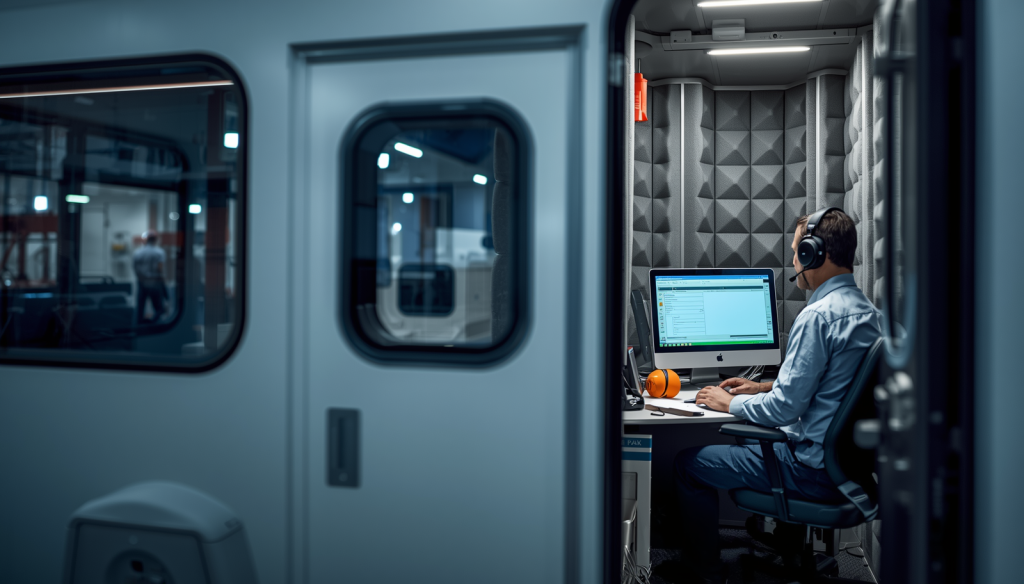
An audiometric testing appointment will usually include:
A brief explanation of the process and consent
A short questionnaire covering relevant health, noise exposure and hearing protection use
A pure‑tone audiometry test carried out in appropriate conditions, using calibrated equipment, to measure hearing thresholds at different frequencies
Comparison with baseline and previous results to identify any changes or patterns over time
Our clinicians and technicians coach workers through the process, ensure testing conditions are suitable and interpret results in the context of the individual’s role, exposure and history.
Following audiometric testing, Clarity provides:
Individual results and classifications aligned to agreed standards
Identification of any shifts in hearing that may require closer monitoring or referral
Practical recommendations on noise control, hearing protection and further investigation where needed
Aggregate data and trends to support your overall noise‑risk management strategy
This gives you a clear view of how well your current controls are working and where additional action may be needed to protect hearing and reduce long‑term occupational health risk.
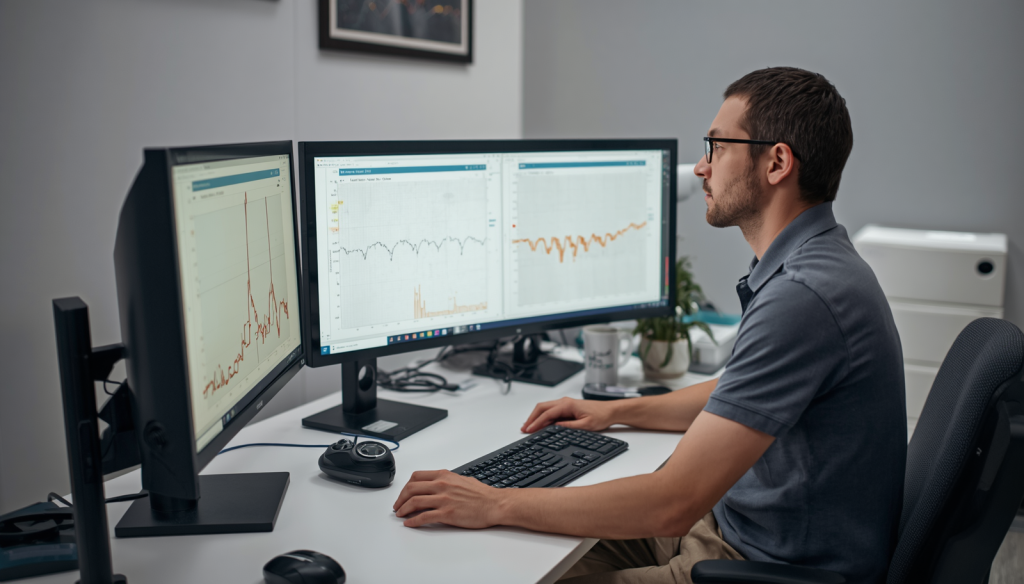
If your workforce is exposed to noise at work, Clarity can help you build and deliver an audiometric testing programme that protects hearing, supports compliance and fits the way your business really operates.
Audiometric testing is a workplace hearing assessment used in health surveillance programmes to measure hearing thresholds and detect early signs of noise‑induced hearing loss in employees exposed to hazardous noise.
Employees who are regularly exposed to noise at or above the upper exposure action values, or who are identified as at risk through noise risk assessments, typically require audiometric testing—for example, workers in manufacturing, engineering, construction, logistics and roles using noisy plant or machinery.
Hearing checks are usually carried out at baseline before or when a worker starts in a noisy role, then annually for the first two years and at intervals of around three years thereafter, with more frequent testing where problems are detected or risk is high.
Tests normally include measuring hearing thresholds across specific frequencies in controlled conditions, plus a short symptom and exposure questionnaire, and may be accompanied by an ear examination and practical advice on protecting hearing.
If changes suggest noise‑induced hearing loss or early damage, you receive clear guidance on remedial actions, review of controls and hearing protection, potential referral for further assessment, and recommendations on recall intervals and fitness for continued noise exposure.
Clarity provides audiometric testing nationwide via onsite clinics, Mobile Medical Units and local clinic appointments, allowing hearing surveillance to be carried out with minimal disruption across multi‑site and shift‑based workforces.
Yes. All audiometric data is managed under Clarity’s clinical governance and data protection framework; employees are informed of their results, while managers receive appropriate fitness‑for‑work advice and summary outcomes rather than full medical records.
To provide the best experiences, we use technologies like cookies to store and/or access device information. Consenting to these technologies will allow us to process data such as browsing behaviour or unique IDs on this site. Not consenting or withdrawing consent, may adversely affect certain features and functions. By clicking Accept, you consent to our use of Cookies. Learn more in our Privacy Policy