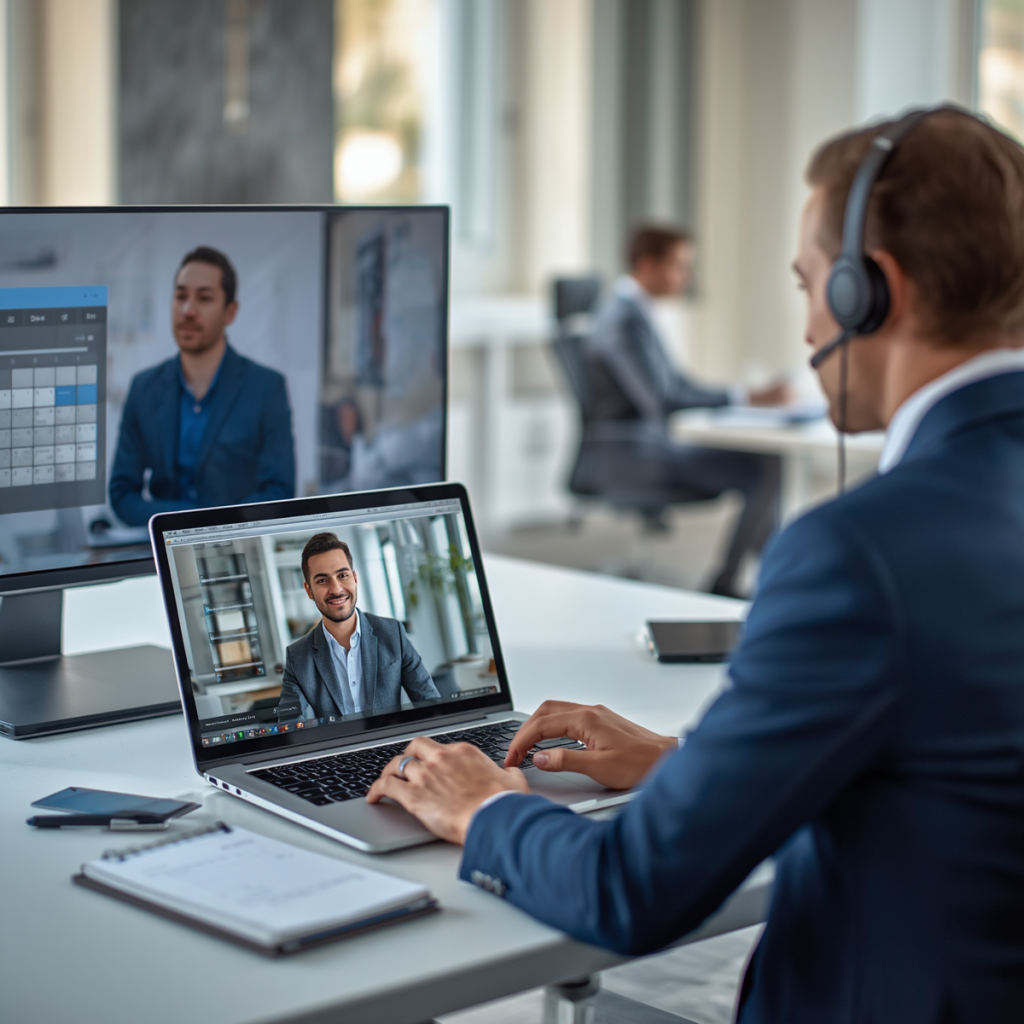
Delivery Options: Mobile, On‑Site and Remote Occupational Health
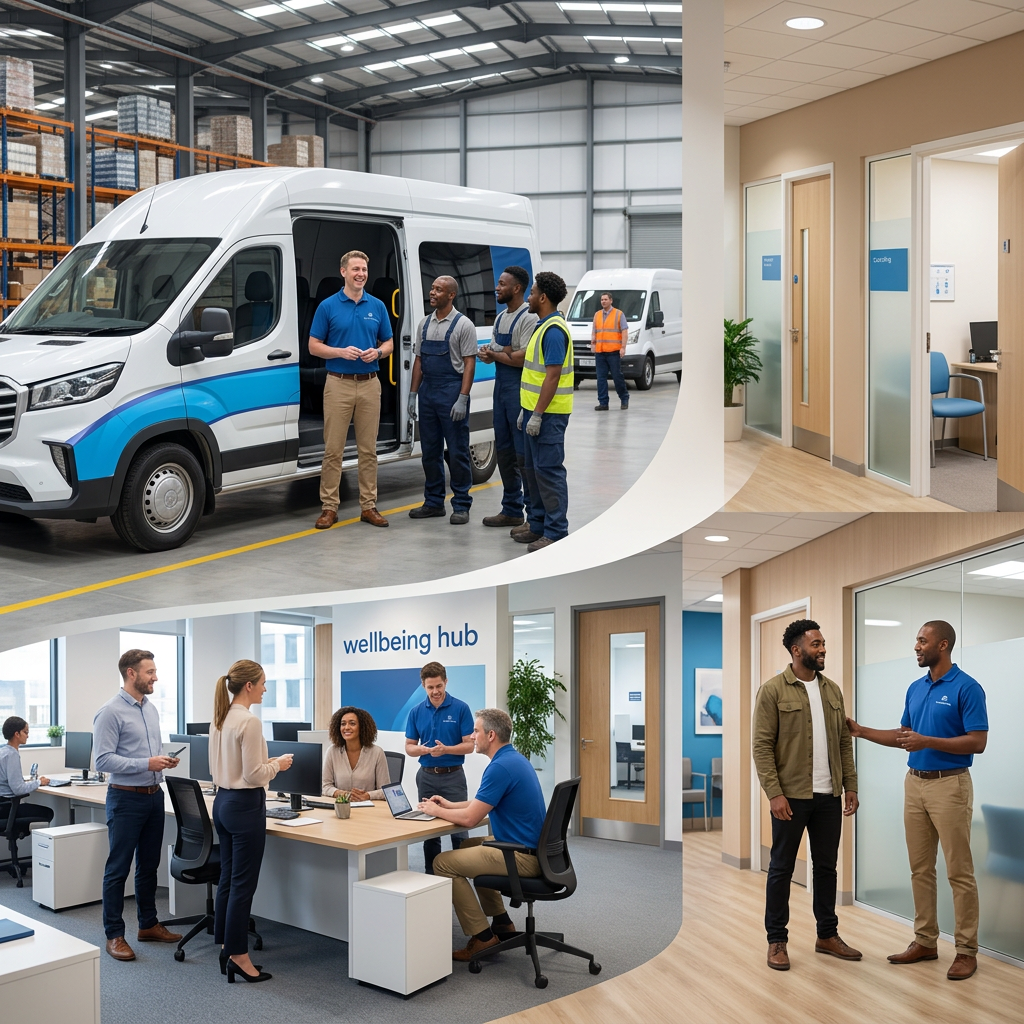
Clarity Occupational Health delivers services in the way that works best for your workforce – via mobile medical units, on‑site clinics, partnered locations and remote consultations – so you get consistent, compliant support wherever people are based.
Workers are exposed to a hazardous substance or agent linked to a known disease or adverse health effect.
There is a reasonable chance that the disease or effect may occur in the conditions of work.
There are valid methods to detect early signs of the disease or effect.
This often applies where there is exposure to:
Noise and vibration
Respiratory sensitisers and irritants
Substances that can cause dermatitis or other skin disease
Certain metals, solvents and other agents with systemic effects
Clarity can help you interpret your risk assessments and regulatory requirements to determine where health surveillance is necessary and what level is appropriate.
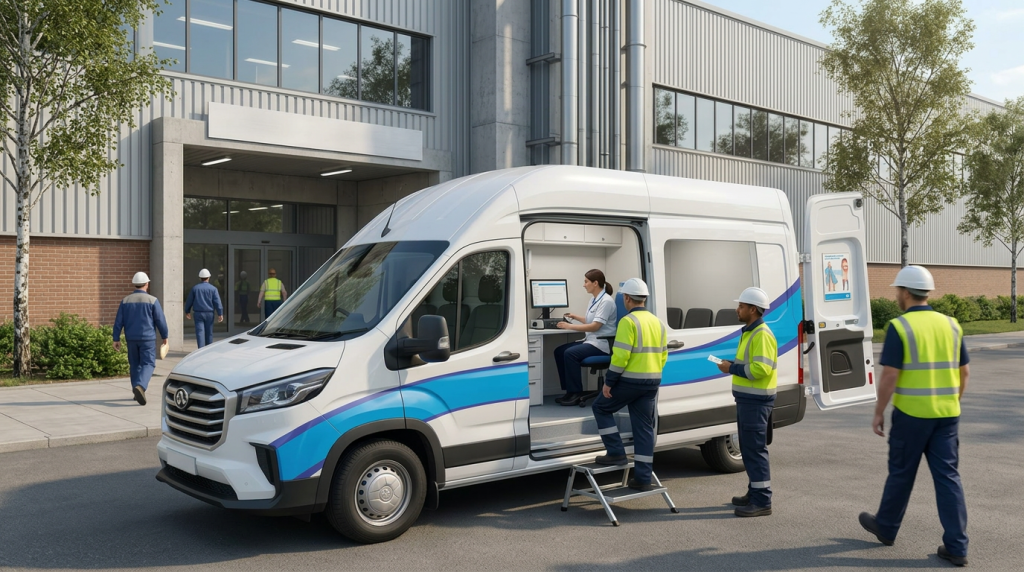
Mobile medical units: clinic‑level services at your door
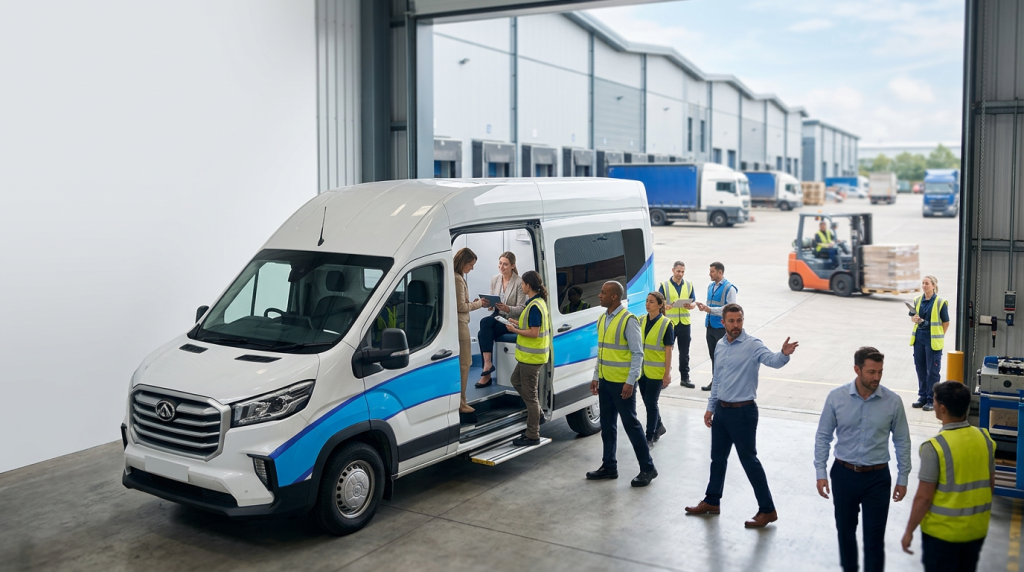
Clarity’s mobile medical unit (MMU) fleet brings a fully equipped clinical environment directly to your sites, including remote or hard‑to‑reach locations.
Mobile units are ideal when you need to:
Deliver high‑volume health surveillance, statutory medicals or safety‑critical assessments with minimal disruption.
Reach dispersed sites such as logistics hubs, construction projects, utilities and manufacturing plants.
Reduce travel time and costs for employees and maximise attendance at mandatory medicals.
Within the MMUs, clinicians can provide a wide range of assessments – from audiometry, HAVS and spirometry to safety‑critical and driver medicals, drug and alcohol testing and pre‑placement checks.
Where on‑site or mobile delivery is not practical, Clarity uses a national network of partnered clinical locations to provide convenient access for individual appointments.
This is especially helpful for:
Ad‑hoc or low‑volume assessments where bringing a unit on site would not be efficient.
Employees based away from main sites who need one‑off medicals or follow‑up consultations.
Using this network keeps travel reasonable for employees while ensuring assessments are carried out in suitable clinical environments
Ready to Make Occupational Health Work Around Your Business?
If you want occupational health that genuinely reaches your workforce – on site, on the road and online – Clarity can design a delivery mix that fits your locations, shifts and risks.
To provide the best experiences, we use technologies like cookies to store and/or access device information. Consenting to these technologies will allow us to process data such as browsing behaviour or unique IDs on this site. Not consenting or withdrawing consent, may adversely affect certain features and functions. By clicking Accept, you consent to our use of Cookies. Learn more in our Privacy Policy

 Telephone
 Email
Email